


Southern African Development Community Member Countries – Full List & Details
The Southern African Development Community Member Countries page provides a complete overview of the nations that form SADC. Established in 1992, the Southern African Development Community promotes regional economic integration, political cooperation, and sustainable development across Southern Africa. The organization plays a major role in trade coordination, infrastructure development, peacekeeping efforts, and regional stability. This guide explains which countries are members, how SADC membership works, and why the community remains important for economic growth and cooperation in Southern Africa.
What is the Southern African Development Community (SADC)?
The Southern African Development Community, commonly known as SADC, is an intergovernmental organization focused on regional integration and development.
SADC works on:
- Economic cooperation
- Trade and customs agreements
- Infrastructure development
- Peace and security initiatives
- Social and human development
- Environmental sustainability
The SADC Secretariat is headquartered in Gaborone, Botswana.
How Many Members Are in SADC?
The Southern African Development Community currently has 16 member states.
Membership is open to Southern African countries that commit to the organization’s treaty and integration objectives.
Complete List of Southern African Development Community Member Countries
Below is the updated list of SADC member countries:
- Angola
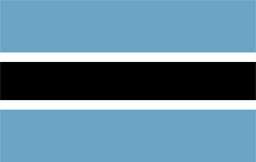
- Botswana
- Comoros
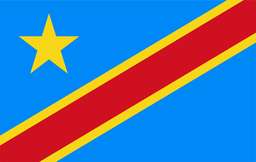
- Democratic Republic of the Congo
- Eswatini
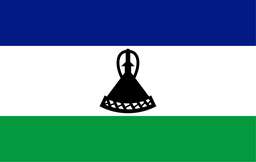
- Lesotho
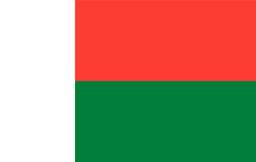
- Madagascar
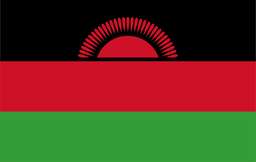
- Malawi
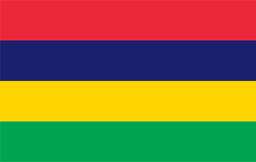
- Mauritius
- Mozambique
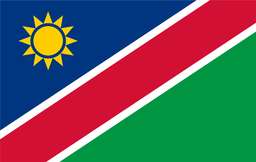
- Namibia
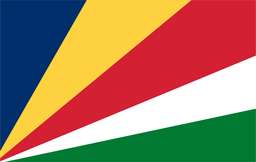
- Seychelles
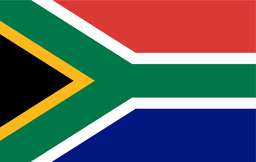
- South Africa
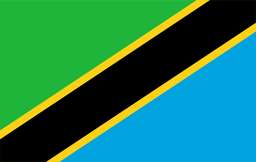
- Tanzania
- Zambia
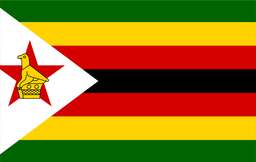
- Zimbabwe
Each member country maintains full sovereignty while participating in regional development programs.
You can explore each national flag in our Southern African Countries Flags section for more detailed information.
Historical Background of SADC Membership
SADC evolved from the Southern African Development Coordination Conference (SADCC), which was established in 1980.
In 1992, the organization was restructured and officially became the Southern African Development Community.
Over time, additional countries joined to strengthen economic and political cooperation across the region.
Why SADC Membership Matters
Membership in SADC provides several advantages:
Trade Integration
The SADC Free Trade Area reduces tariffs among member states.
Infrastructure Projects
Regional cooperation improves transport corridors and energy networks.
Peace and Security
SADC supports conflict prevention and regional stability initiatives.
Economic Growth
Integration strengthens regional markets and investment opportunities.
Social Development
Members collaborate on education, healthcare, and poverty reduction programs.
Economic Importance of SADC Members
Combined, SADC member countries represent:
- Diverse natural resources
- Expanding industrial and agricultural sectors
- Important regional trade routes
- Growing tourism markets
Regional cooperation enhances economic resilience and competitiveness.
Governance Structure of SADC
SADC operates through:
- Summit of Heads of State and Government
- Council of Ministers
- Secretariat
- Organ on Politics, Defence and Security Cooperation
Decisions are based on consensus and treaty commitments.
Role of the SADC Flag
The Flag of Southern African Development Community represents unity and cooperation among its member states.
It is displayed at:
- Regional summits
- Development forums
- Official headquarters
- Diplomatic meetings
The flag symbolizes shared goals and regional solidarity.
Relationship with National Sovereignty
SADC membership does not replace national governance.
Each member state:
- Maintains its own constitution
- Controls domestic and foreign policies
- Preserves its national identity and flag
Integration is based on voluntary participation and mutual agreement.
Regional Challenges and Cooperation
SADC members collaborate to address:
- Economic inequality
- Climate change
- Infrastructure gaps
- Cross-border security
- Sustainable development
Regional coordination helps improve long-term stability and growth.
Interesting Facts About SADC Members
- SADC was officially formed in 1992
- It includes 16 member states
- Headquarters is in Gaborone
- It operates a regional free trade area
- It promotes peace and security cooperation
Questions About Southern African Development Community Member Countries
How many countries are members of SADC?
There are 16 member states.
When was SADC established?
It was formally established in 1992.
What is the main goal of SADC?
To promote regional integration and sustainable development.
Does SADC membership replace national governments?
No, each country remains fully sovereign.
Where is the SADC headquarters located?
It is located in Gaborone, Botswana.







All Rights Reserved © 2025