Design of the Flag of North Korea
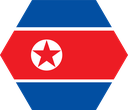
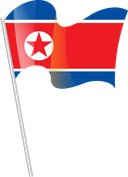
The flag of North Korea features a horizontal tricolor layout with additional elements. From top to bottom, it consists of a blue stripe, a thin white stripe, a wide red central stripe, another thin white stripe, and a blue stripe at the bottom.
On the hoist side of the red stripe is a white circle containing a red five-pointed star. The star is positioned closer to the hoist, making it prominent when the flag is flown.
The overall proportions and color balance give the flag a strong visual presence, combining bold colors with clear symbolism.
Meaning of the Colors and Symbols
Each color and symbol on the North Korean flag carries ideological and national meaning.
The red central stripe represents revolution, patriotism, and the socialist struggle. Red is commonly associated with communism and reflects the revolutionary foundation of the state.
The white stripes symbolize purity, dignity, and the Korean people’s cultural identity. White has long been a traditional color in Korean culture, historically worn in everyday clothing.
The blue stripes represent peace, sovereignty, and the desire for friendly relations with other nations. Blue also symbolizes stability and unity.
The red star is a universal symbol of socialism and communism. In the context of North Korea, it represents the guiding role of the ruling ideology and the leadership of the state.
The white circle surrounding the star emphasizes clarity, unity, and national cohesion.
Historical Background and Adoption
Following the end of Japanese occupation in 1945, the Korean Peninsula was divided into two zones. In 1948, the Democratic People’s Republic of Korea was officially established in the northern part of the peninsula.
The flag of North Korea was adopted on September 8, 1948, just days before the formal proclamation of the state. The design replaced older Korean symbols to reflect the new political system and ideological direction.
The flag has remained unchanged since its adoption, reflecting continuity and stability in state symbolism. More historical background can be found on the history of North Korea page.
Political and National Significance
The North Korean flag is a strong political symbol closely tied to the identity of the state. It is used extensively in government buildings, military displays, public events, and official media.
Unlike the Flag of South Korea, which emphasizes traditional national symbols, North Korea’s flag highlights ideological values and revolutionary heritage. The contrast between the two flags reflects the differing political systems on the Korean Peninsula.
The flag represents sovereignty, resistance to foreign influence, and loyalty to the state.
Official Use and Flag Etiquette
The flag of North Korea is flown at government institutions, military facilities, schools, and public squares. It is prominently displayed during national celebrations, parades, and political events.
Strict rules govern the handling and display of the flag. It is treated with high respect and must not be damaged or misused. Proper display reflects loyalty to the state and national unity.
The Flag in Modern North Korea
In modern North Korea, the flag is an omnipresent symbol of national identity and state authority. It appears in public spaces, propaganda materials, and international representations such as diplomatic missions and sporting events.
The flag continues to reinforce themes of independence, self-reliance, and unity, aligning with the state’s official ideology.
Design Recognition and Global Perception
The North Korean flag is widely recognized due to its bold colors and distinctive red star. While interpretations vary internationally, the flag remains a clear identifier of the state.
Its design follows common socialist flag traditions while incorporating Korean cultural symbolism through color usage.
Questions About the Flag of North Korea
When was the flag of North Korea adopted?
The flag was adopted on September 8, 1948.
What does the red star symbolize?
It represents socialism and the guiding ideology of the state.
Why is white used on the flag?
White reflects traditional Korean culture and purity.
What do the blue stripes mean?
They symbolize peace, sovereignty, and unity.
Is the North Korea flag the same on both sides?
Yes, the design appears on both sides of the flag.