Design of the Flag of Wales
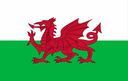
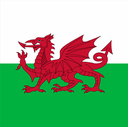
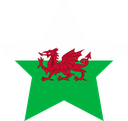
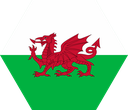
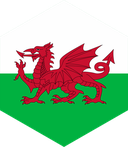
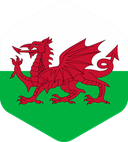
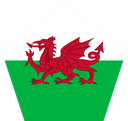
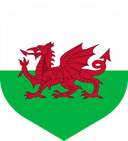
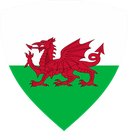
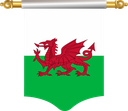
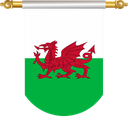
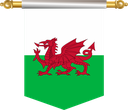
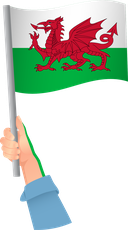
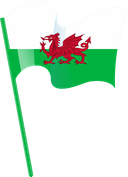
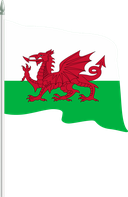
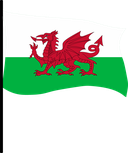
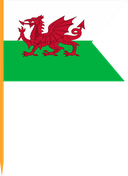
The Flag of Wales consists of two horizontal fields and a central emblem:
- White field on the top
- Green field on the bottom
Across both fields is a large red dragon facing the hoist side.
The dragon dominates the flag, stretching across the entire design and making it one of the most visually striking flags in the world.
Meaning of Colors and Symbols
Each element of the Flag of Wales carries strong symbolic meaning.
The red dragon is the most important symbol. It represents strength, power, and protection. The dragon has been associated with Wales for centuries and symbolizes resistance, courage, and national identity.
The white color represents peace, honesty, and integrity. It also reflects historical connections to early Welsh rulers.
The green color represents the land, fertility, and the natural landscape of Wales. It symbolizes growth, renewal, and connection to nature.
Together, the colors and the dragon express heritage, resilience, and pride in Welsh identity.
Historical Background of the Wales Flag
The origins of the red dragon date back to Roman and early Celtic traditions, where dragons were used as military standards.
According to legend, the red dragon of Wales defeated a white dragon in a mythical battle, symbolizing the victory of the Welsh people over invaders. This story is recorded in medieval texts and became central to Welsh identity.
The green and white background is traditionally associated with the House of Tudor, a Welsh royal dynasty that ruled England in the late Middle Ages.
The modern Flag of Wales was officially adopted in 1959, formalizing a symbol that had been used informally for centuries.
Readers interested in mythology and medieval history can explore more context on the History of Wales page.
Cultural and National Significance
The Flag of Wales holds deep cultural importance for the Welsh people.
It is a symbol of language, heritage, and national pride. The flag is prominently displayed during St David’s Day, cultural festivals, sporting events, and national celebrations.
For many in Wales, the dragon represents survival of identity despite centuries of political change. The flag is a powerful expression of Welsh distinctiveness within the United Kingdom.
Relationship to Other UK Flags
The Flag of Wales is unique among flags within the United Kingdom.
Unlike the flags of England and Scotland, the Welsh flag does not appear in the Union Jack. This is because Wales was legally united with England before the Union flag was created.
Comparing UK flags highlights how Wales maintains a strong separate identity through its national flag, even though it is part of the United Kingdom.
The dragon sets Wales apart from all other UK symbols.
Modern Use of the Flag of Wales
Today, the Flag of Wales is flown on public buildings, schools, government offices, and private homes across Wales.
It is also widely displayed at international sporting events, especially rugby and football matches, where it serves as a powerful symbol of national pride.
The flag plays an important role in education, helping younger generations understand Welsh history, language, and cultural identity.
Its continued use reinforces Wales’s place as a nation with deep historical roots and living traditions.
Interesting Facts About the Flag of Wales
- The red dragon is one of the oldest national symbols in Europe
- The flag was officially adopted in 1959
- It does not appear on the Union Jack
- The dragon comes from ancient legend
- Green and white are Tudor colors
Questions About the Flag of Wales
What does the red dragon on the Wales flag represent?
It represents strength, protection, and Welsh identity.
When was the Flag of Wales officially adopted?
It was officially adopted in 1959.
Why is Wales not represented on the Union Jack?
Because Wales was united with England before the Union flag was created.
What do the green and white colors symbolize?
Green represents the land, and white represents peace and integrity.
Where is the Wales flag commonly displayed?
On public buildings and during cultural and sporting events.