


Arab League Member Countries – Full List & Details
The Arab League Member Countries page provides a complete overview of the nations that form the League of Arab States. The Arab League is a regional organization that promotes political cooperation, economic integration, and cultural unity among Arab countries. Established in 1945, it brings together countries from North Africa and the Middle East that share linguistic, historical, and cultural connections. This guide explains who the members are, how membership works, and why participation in the Arab League plays an important role in regional cooperation.
What is the Arab League?
The Arab League, officially known as the League of Arab States, was founded on 22 March 1945 in Cairo, Egypt.
Its primary objectives include:
- Strengthening political cooperation
- Promoting economic collaboration
- Encouraging cultural and educational exchange
- Protecting sovereignty of member states
- Coordinating regional policies
The headquarters of the Arab League is located in Cairo, Egypt.
How Many Members Are in the Arab League?
The Arab League currently has 22 member states.
Membership is open to independent Arab countries that agree to follow the principles of cooperation and collective dialogue outlined in the League’s charter.
Complete List of Arab League Member Countries
Below is the full and updated list of Arab League member countries:
- Algeria
- Bahrain
- Comoros
- Djibouti
- Egypt
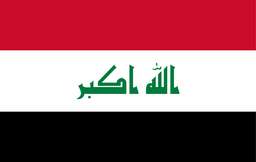
- Iraq
- Jordan
- Kuwait
- Lebanon
- Libya
- Mauritania
- Morocco
- Oman
- Palestine
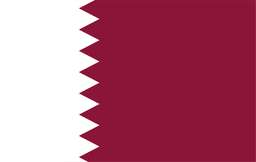
- Qatar
- Saudi Arabia
- Somalia
- Sudan
- Syria
- Tunisia
- United Arab Emirates
- Yemen
Each of these countries maintains its own national flag and government while cooperating under the framework of the Arab League.
You can explore each country’s national flag in our dedicated Arab Countries Flags section for more detailed information.
Geographic Distribution of Members
Arab League member countries are located across two major regions:
North Africa
Includes countries such as Algeria, Egypt, Libya, Morocco, Sudan, and Tunisia.
Middle East (Western Asia)
Includes countries such as Saudi Arabia, Iraq, Jordan, Lebanon, Qatar, and the United Arab Emirates.
This geographic diversity gives the organization influence across both Africa and Asia.
Why Arab League Membership Matters
Membership in the Arab League provides several important benefits:
Political Coordination
Member states discuss and coordinate regional policies on key issues.
Economic Cooperation
The League promotes trade agreements and economic development projects.
Cultural Unity
Arabic language and shared cultural traditions strengthen regional identity.
Conflict Resolution
The organization plays a role in diplomatic mediation and peace efforts.
Regional Representation
The Arab League represents collective interests in international forums.
Membership enhances regional influence and strengthens cooperation among Arab nations.
Role of the Arab League Flag
Although each country has its own national flag, the Flag of Arab League represents collective unity.
It is displayed at:
- Arab League summits
- Diplomatic meetings
- Regional conferences
- Official headquarters
The flag symbolizes shared identity rather than national authority.
History of Arab League Expansion
The Arab League originally began with 7 founding members:
- Egypt
- Iraq
- Jordan
- Lebanon
- Saudi Arabia
- Syria
- Yemen
Over time, additional countries joined as they gained independence.
The expansion reflects growing regional cooperation and recognition of shared identity.
Readers interested in regional diplomacy can explore more details on our History of Arab League page.
Suspension and Reinstatement of Membership
In certain situations, membership has been suspended due to political circumstances.
For example:
- Egypt was temporarily suspended in 1979
- Syria was suspended in 2011 and later reinstated
These actions demonstrate that membership involves adherence to regional agreements and cooperation standards.
Economic and Political Influence
The Arab League influences:
- Regional trade agreements
- Energy cooperation
- Educational initiatives
- Cultural exchanges
- Political resolutions
While it does not function as a supranational government, it provides a platform for dialogue and policy coordination.
Relationship with National Sovereignty
It is important to understand that Arab League membership does not override national sovereignty.
Each country:
- Maintains its own government
- Controls its own foreign policy
- Keeps its own national symbols and laws
The League operates on consensus and voluntary cooperation.
Interesting Facts About Arab League Members
- The organization was founded in 1945
- It includes countries from two continents
- Arabic is the official language
- Membership has grown over decades
- The headquarters remains in Cairo
Questions About Arab League Member Countries
How many countries are members of the Arab League?
There are 22 member states.
When was the Arab League founded?
It was founded in 1945.
Are all Arab countries members?
Most recognized Arab countries are members.
Does Arab League membership replace national governments?
No, each country remains fully sovereign.
Where is the Arab League headquarters located?
It is located in Cairo, Egypt.








All Rights Reserved © 2025