Design of the Flag of Canada
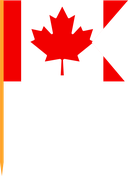
The flag of Canada features a vertical triband design. The center stripe is white and twice the width of the two outer stripes, which are red. At the center of the white field is a stylized red maple leaf with eleven points.
The proportions of the flag are carefully balanced, giving it a clean and modern appearance. The simplicity of the design ensures high visibility and easy recognition, whether displayed on buildings, at events, or internationally.
Meaning of Colors and Symbols
Each element of the Canada flag carries clear symbolic meaning. The red color represents strength, sacrifice, and bravery. It is historically linked to Canada’s heritage and honors those who contributed to the nation’s development.
The white color symbolizes peace, honesty, and neutrality. White also reflects Canada’s reputation as a peaceful nation and its role in diplomacy and humanitarian efforts.
The maple leaf is the most important symbol on the flag. It represents nature, growth, and unity. The maple tree has long been associated with Canada due to its abundance and importance in early settlement. The leaf’s eleven points are a stylized design choice and do not represent provinces or territories.
Historical Background of the Canada Flag
Before adopting its current flag, Canada used several flags, including the British Union Jack and the Canadian Red Ensign. As Canada developed a stronger national identity, calls grew for a unique flag that did not rely on colonial symbols.
The current flag of Canada was officially adopted on February 15, 1965, following extensive public debate and parliamentary discussion. The design was selected for its simplicity and strong symbolism. February 15 is now celebrated as National Flag of Canada Day. Readers interested in this transition can explore more context on the History of Canada page.
Cultural and National Significance
The flag of Canada holds deep cultural importance for Canadians. It is a symbol of unity in a country known for its cultural diversity. The flag reflects shared values such as respect, inclusiveness, and cooperation.
The flag is prominently displayed during national holidays, sporting events, and public ceremonies. It is widely used in education, travel, and cultural representation, reinforcing a sense of belonging among Canadians at home and abroad.
Relationship to Other National Flags
The Canada flag stands out due to its minimalist design and single central symbol. Unlike many flags that use stars, coats of arms, or complex patterns, Canada relies on one powerful national emblem.
When compared to other flags of the Americas, the Canada flag is often praised for clarity and strong symbolism. Its design has influenced modern flag aesthetics and is considered a model of effective national symbolism.
Modern Use of the Flag of Canada
Today, the flag of Canada is flown on government buildings, schools, and public spaces across the country. It is also displayed at embassies, international organizations, and global events representing Canada abroad.
The flag plays an important role in national celebrations, international sports, and diplomatic activities. Its widespread use reinforces Canada’s identity as a peaceful and welcoming nation.
Interesting Facts About the Flag of Canada
- The flag was adopted in 1965.
- It is commonly called the “Maple Leaf.”
- The maple leaf has eleven points.
- February 15 is National Flag of Canada Day.
- It replaced the Canadian Red Ensign.
Frequently Asked Questions
What does the maple leaf on the Canada flag represent?
It represents nature, unity, and Canadian identity.
Why are red and white used on the Canada flag?
They are Canada’s official national colors and symbolize strength and peace.
When was the flag of Canada adopted?
The flag was adopted on February 15, 1965.
Do the points on the maple leaf represent provinces?
No, the points are purely a stylized design.
Where is the Canada flag commonly displayed?
It is flown on government buildings, schools, and during national events.