


Pacific Community Member Countries – Full List & Details
The Pacific Community Member Countries page provides a complete overview of the nations and territories that participate in this regional organization. The Pacific Community supports sustainable development, scientific research, and regional cooperation across the Pacific Islands region. Established in 1947, the organization focuses on health, climate resilience, fisheries, agriculture, and education. This guide explains which countries and territories are members, how participation works, and why the Pacific Community plays a key role in regional development across the Pacific.
What is the Pacific Community?
The Pacific Community, also known as SPC (Secretariat of the Pacific Community), is an intergovernmental organization serving Pacific Island countries and territories.
The Pacific Community works on:
- Public health programs
- Climate change adaptation
- Fisheries and marine management
- Agriculture development
- Disaster preparedness
- Scientific research and statistics
The organization’s headquarters are located in Nouméa, New Caledonia.
How Many Members Are in the Pacific Community?
The Pacific Community has 27 member countries and territories.
Membership includes both independent Pacific Island states and overseas territories connected to larger nations.
Complete List of Pacific Community Member Countries and Territories
Below is the full list of Pacific Community members:
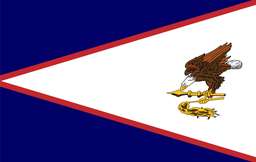
- American Samoa
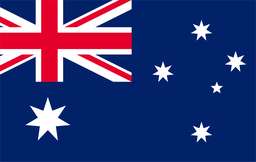
- Australia
- Cook Islands
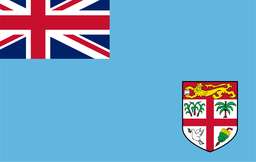
- Fiji
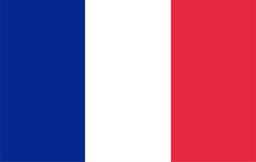
- France
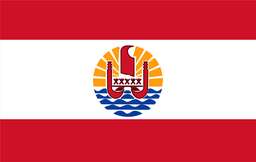
- French Polynesia
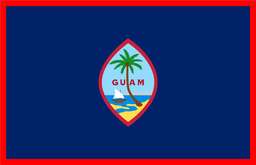
- Guam
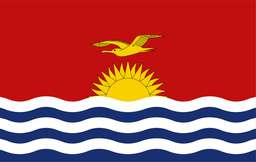
- Kiribati
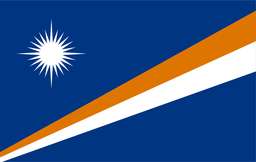
- Marshall Islands
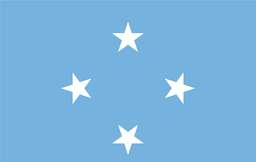
- Micronesia (Federated States of)
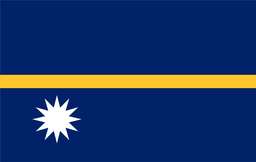
- Nauru
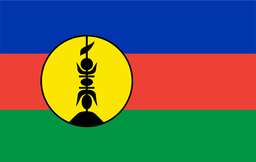
- New Caledonia
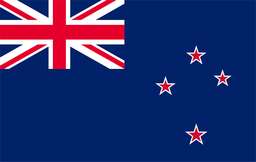
- New Zealand
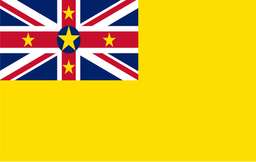
- Niue
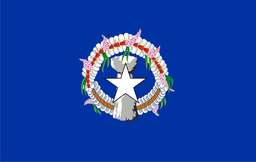
- Northern Mariana Islands
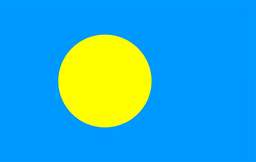
- Palau
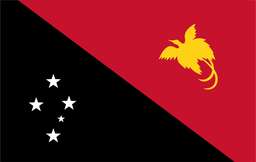
- Papua New Guinea
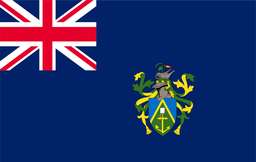
- Pitcairn Islands
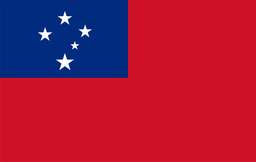
- Samoa
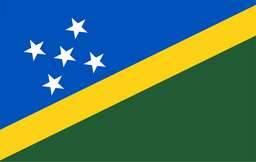
- Solomon Islands
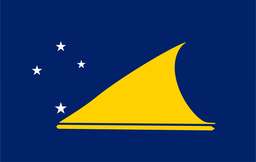
- Tokelau
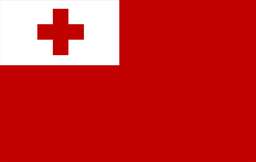
- Tonga
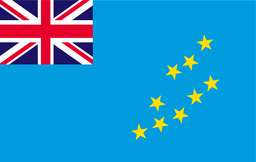
- Tuvalu
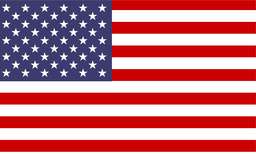
- United States
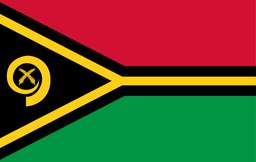
- Vanuatu
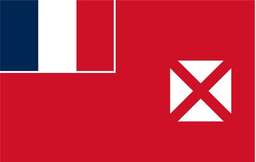
- Wallis and Futuna
- United Kingdom
Each member participates in regional cooperation while maintaining its own governance structure.
You can explore each national flag in our Pacific Countries Flags section for more detailed information.
Historical Background of Membership
The Pacific Community was established in 1947 under the Canberra Agreement.
Originally known as the South Pacific Commission, it later adopted the name Pacific Community to reflect broader regional cooperation.
Membership expanded over time to include both independent nations and territories with close ties to larger countries.
Why Pacific Community Membership Matters
Membership provides several advantages:
Health and Social Programs
The organization supports healthcare systems and disease prevention initiatives.
Climate and Environmental Protection
Members collaborate on climate resilience and disaster preparedness.
Fisheries and Marine Resources
Cooperation strengthens sustainable management of ocean resources.
Education and Data Sharing
The Pacific Community provides technical assistance and statistical support.
Regional Development
Members benefit from shared expertise and development programs.
Economic and Environmental Importance
Pacific Community members include many small island states that rely heavily on:
- Fisheries
- Tourism
- Agriculture
- Climate-sensitive ecosystems
Regional collaboration improves resilience against natural disasters and economic challenges.
Governance Structure
The Pacific Community operates through:
- Committee of Representatives of Governments and Administrations (CRGA)
- Regional conferences
- Technical advisory groups
- Secretariat leadership
The organization focuses on technical assistance rather than political integration.
Role of the Pacific Community Flag
The Flag of Pacific Community represents cooperation among Pacific members.
It is displayed at:
- Regional conferences
- Scientific forums
- Development programs
- Official headquarters
The flag symbolizes shared commitment to sustainable development.
Relationship with Sovereignty
Pacific Community membership does not override national or territorial governance.
Each member:
- Maintains its own political system
- Controls domestic policy
- Preserves national or territorial symbols
The organization operates on partnership and voluntary participation.
Interesting Facts About Pacific Community Members
- Founded in 1947
- Includes 27 members
- Headquarters in Nouméa
- Supports climate adaptation initiatives
- Includes both countries and territories
Questions About Pacific Community Member Countries
How many members are in the Pacific Community?
There are 27 member countries and territories.
When was the Pacific Community founded?
It was established in 1947.
What is the main purpose of the Pacific Community?
To promote sustainable development and technical cooperation.
Does membership replace national governance?
No, members retain full sovereignty or territorial authority.
Where is the Pacific Community headquarters located?
It is located in Nouméa, New Caledonia.




All Rights Reserved © 2025