


European Union Member Countries – Full List & Details
The European Union Member Countries page provides a complete overview of the nations that form the EU. The European Union is one of the most advanced regional organizations in the world, promoting economic integration, political cooperation, and free movement across Europe. Established through a series of treaties after World War II, the EU has grown into a powerful economic and political bloc. This guide explains which countries are members, how EU membership works, and why the union plays a major role in global affairs.
What is the European Union?
The European Union, commonly known as the EU, is a political and economic union of European countries.
The EU focuses on:
- Single market integration
- Free movement of goods, services, capital, and people
- Common trade policy
- Environmental standards
- Consumer protection
- Regional development funding
The main institutions of the EU are located in Brussels (Belgium), Strasbourg (France), and Luxembourg.
How Many Members Are in the European Union?
The European Union currently has 27 member states.
Membership is open to European countries that meet specific political and economic criteria known as the Copenhagen criteria.
Complete List of European Union Member Countries
Below is the updated list of EU member countries:
- Austria
- Belgium
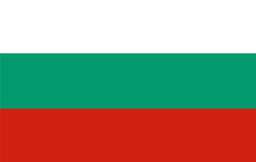
- Bulgaria
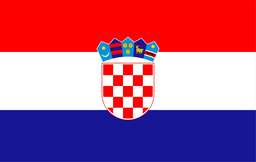
- Croatia
- Cyprus
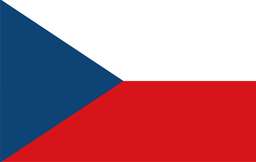
- Czech Republic
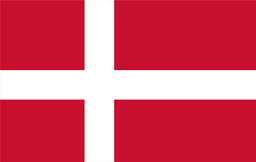
- Denmark
- Estonia
- Finland
- France
- Germany
- Greece
- Hungary
- Ireland
- Italy
- Latvia
- Lithuania
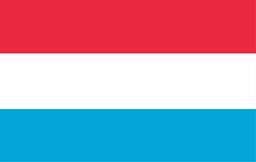
- Luxembourg
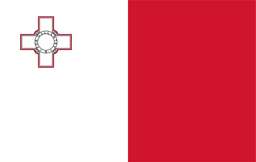
- Malta
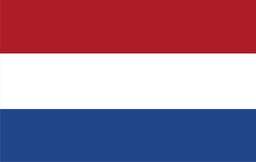
- Netherlands
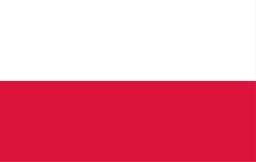
- Poland
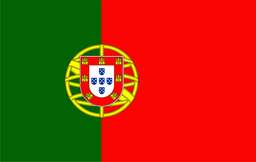
- Portugal
- Romania
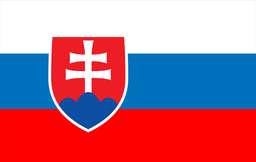
- Slovakia
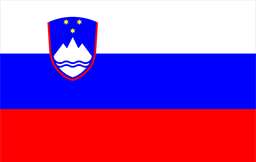
- Slovenia
- Spain
- Sweden
Each member country maintains sovereignty while participating in shared EU policies and regulations.
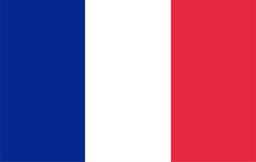
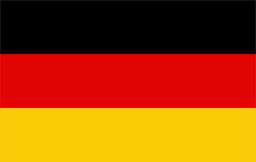
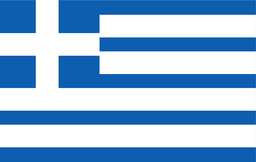
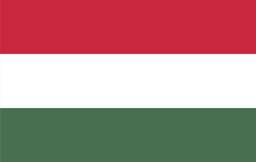
You can explore each national flag in our European Countries Flags section for more detailed information.
Historical Background of EU Membership
The European Union evolved from the European Coal and Steel Community founded in 1951.
Key milestones include:
- 1957 Treaty of Rome
- 1993 Maastricht Treaty (formal creation of the EU)
- 2004 major enlargement of Eastern European countries
- 2020 departure of the United Kingdom (Brexit)
These developments shaped the EU into its current 27-member structure.
Why EU Membership Matters
Membership in the European Union provides several benefits:
Single Market Access
Member states participate in one of the world’s largest single markets.
Free Movement
Citizens can travel, live, and work across EU countries.
Economic Funding
The EU provides regional development funds to support infrastructure and growth.
Political Cooperation
Member states coordinate policies on trade, climate, and security.
Consumer and Environmental Standards
Shared regulations protect citizens and businesses.
Economic Importance of EU Members
Combined, EU member countries represent:
- One of the largest economies in the world
- A major global trading bloc
- Integrated transportation networks
- Coordinated monetary policy for Eurozone members
The euro is used by many EU member states, though not all.
Governance Structure of the EU
The European Union operates through several institutions:
- European Commission
- European Parliament
- European Council
- Council of the European Union
- Court of Justice of the European Union
These bodies work together to create and enforce EU laws.
Role of the EU Flag
The Flag of European Union symbolizes unity and solidarity among member states.
It is displayed at:
- EU institutions
- Official summits
- International meetings
- Government buildings across member states
The 12 golden stars represent unity and harmony rather than the number of members.
Relationship with National Sovereignty
EU membership involves shared decision-making, but countries remain sovereign.
Each member state:
- Maintains its own constitution
- Controls national defense policies
- Preserves its national identity and flag
Participation in the EU is based on treaties agreed upon by member governments.
Interesting Facts About EU Members
- The EU currently has 27 member states
- It was formally established in 1993
- Brussels hosts many key institutions
- The euro is used by 20 member states
- The EU has expanded multiple times since its founding
Questions About European Union Member Countries
How many countries are members of the EU?
There are 27 member states.
When was the European Union formally established?
It was formally created in 1993 through the Maastricht Treaty.
Can countries leave the EU?
Yes, membership is voluntary, as shown by the United Kingdom’s withdrawal.
Does EU membership replace national governments?
No, member states remain sovereign.
Where are the main EU institutions located?
They are primarily located in Brussels, Strasbourg, and Luxembourg.







All Rights Reserved © 2025