


NATO Member Countries – Full List & Details
The NATO Member Countries page provides a complete overview of the nations that form the North Atlantic Treaty Organization. Established in 1949, NATO is a military alliance created to ensure collective defense and regional security among its member states. Over the decades, it has expanded significantly and plays a major role in global security policy. This guide explains which countries are members, how NATO membership works, and why the alliance remains strategically important.
What is NATO?
The North Atlantic Treaty Organization, commonly known as NATO, is an intergovernmental military alliance.
NATO focuses on:
- Collective defense
- Military cooperation
- Crisis management
- Counter-terrorism efforts
- Peacekeeping operations
- Security partnerships
The NATO headquarters is located in Brussels, Belgium.
How Many Members Are in NATO?
NATO currently has 31 member countries (membership may evolve with future expansions).
Membership is open to European countries that meet political and military criteria outlined in the North Atlantic Treaty.
Complete List of NATO Member Countries
Below is the updated list of NATO member countries:
- Albania
- Belgium
- Bulgaria
- Canada
- Croatia
- Czech Republic
- Denmark
- Estonia
- Finland
- France
- Germany
- Greece
- Hungary
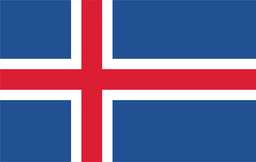
- Iceland
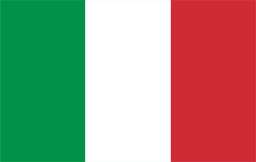
- Italy
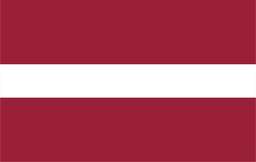
- Latvia
- Lithuania
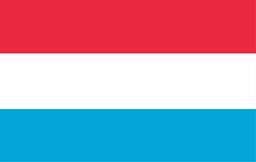
- Luxembourg
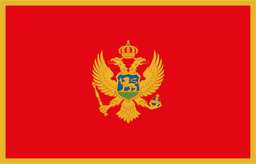
- Montenegro
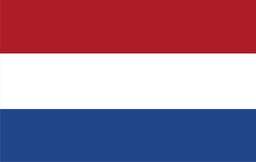
- Netherlands
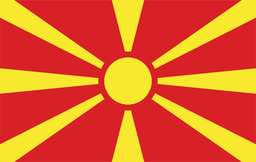
- North Macedonia
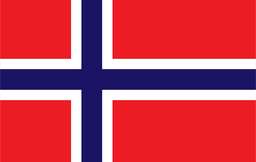
- Norway
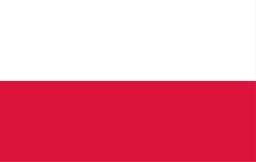
- Poland
- Portugal
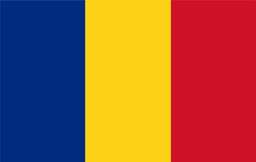
- Romania
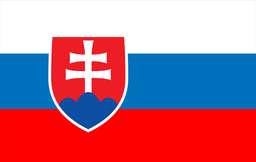
- Slovakia
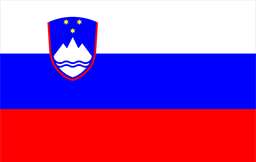
- Slovenia
- Spain
- Türkiye
- United Kingdom
- United States
Each member state retains its national armed forces while committing to collective defense principles.
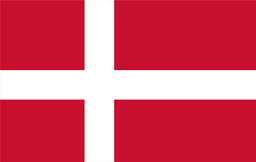
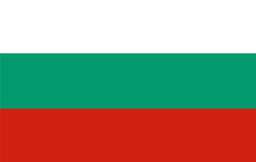
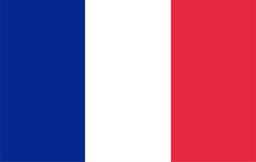
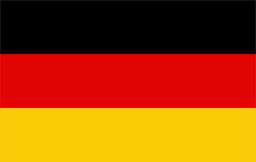
You can explore each national flag in our NATO Countries Flags section for more detailed information.
Founding and Expansion of NATO
NATO was established on 4 April 1949 with 12 founding members.
The founding members included:
- United States
- Canada
- United Kingdom
- France
- Belgium
- Netherlands
- Luxembourg
- Denmark
- Norway
- Iceland
- Italy
- Portugal
Over time, NATO expanded to include additional European countries, especially after the end of the Cold War.
Why NATO Membership Matters
Membership in NATO provides several strategic benefits:
Collective Defense
Article 5 of the treaty states that an attack against one member is considered an attack against all.
Military Cooperation
Member states conduct joint exercises and share intelligence.
Crisis Management
NATO coordinates international peacekeeping and stabilization missions.
Political Consultation
Members regularly consult on security and defense matters.
Technological and Strategic Integration
Countries benefit from shared defense standards and interoperability.
Governance Structure of NATO
NATO operates through:
- North Atlantic Council
- Military Committee
- International Staff
- Strategic Commands
Decisions are made by consensus among member states.
Role of the NATO Flag
The Flag of NATO symbolizes unity and shared defense commitment.
It is displayed at:
- NATO headquarters
- Military summits
- Joint exercises
- Diplomatic meetings
The compass rose emblem represents direction and cooperation.
Relationship with National Sovereignty
NATO membership does not eliminate national control over armed forces.
Each country:
- Maintains its own military
- Controls domestic policies
- Preserves national identity and flag
Participation in NATO is based on treaty agreements and shared commitments.
Global Influence of NATO Members
NATO members represent:
- A large share of global defense spending
- Major military powers
- Advanced defense technologies
- Strong diplomatic influence
The alliance plays a key role in global security discussions.
Interesting Facts About NATO Members
- NATO was founded in 1949
- It has expanded multiple times
- Headquarters is in Brussels
- Article 5 is its core defense principle
- Membership is based on consensus
Questions About NATO Member Countries
How many countries are members of NATO?
There are currently 31 member states.
When was NATO founded?
It was founded in 1949.
What is NATO’s main purpose?
To provide collective defense and security cooperation.
Does NATO membership replace national military control?
No, each country maintains its own armed forces.
Where is NATO headquarters located?
It is located in Brussels, Belgium.













All Rights Reserved © 2025