


Commonwealth of Nations Member Countries – Full List & Details
The Commonwealth of Nations Member Countries page provides a complete overview of the independent states that form this global association. The Commonwealth of Nations is a voluntary organization of countries that share historical ties and common values such as democracy, development, and cooperation. Originally emerging from the British Empire, it transformed into a modern partnership of sovereign states in 1949. This guide explains which countries are members, how membership works, and why the Commonwealth remains an important international network today.
What is the Commonwealth of Nations?
The Commonwealth of Nations is an intergovernmental organization composed of independent countries that cooperate on shared goals.
It focuses on:
- Democracy and governance
- Economic development
- Human rights
- Education and youth programs
- Trade cooperation
- Cultural exchange
The Commonwealth Secretariat is headquartered in London, United Kingdom.
How Many Members Are in the Commonwealth?
The Commonwealth of Nations currently has 56 member countries.
Membership is voluntary and open to countries that accept the organization’s principles and values outlined in the Commonwealth Charter.
Complete List of Commonwealth Member Countries
Below is the updated list of Commonwealth of Nations member countries:
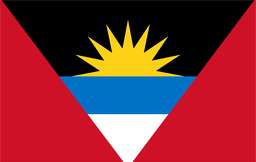
- Antigua and Barbuda
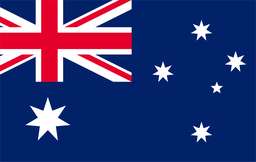
- Australia
- Bahamas
- Bangladesh
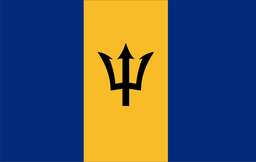
- Barbados
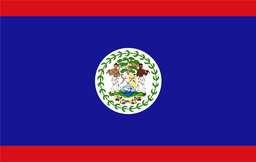
- Belize
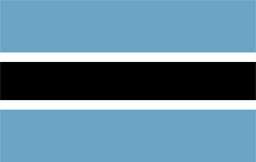
- Botswana
- Brunei
- Cameroon
- Canada
- Cyprus
- Dominica
- Eswatini
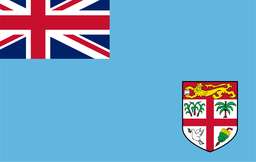
- Fiji
- Gabon
- Gambia
- Ghana
- Grenada
- Guyana
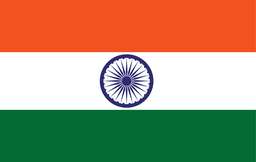
- India
- Jamaica
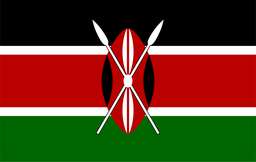
- Kenya
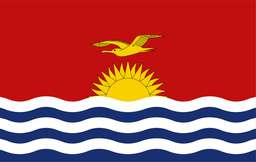
- Kiribati
- Lesotho
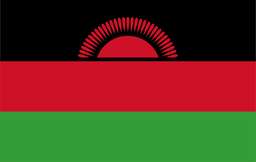
- Malawi
- Malaysia
- Maldives
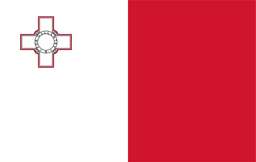
- Malta
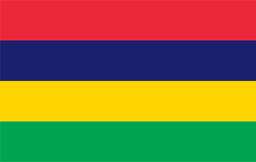
- Mauritius
- Mozambique
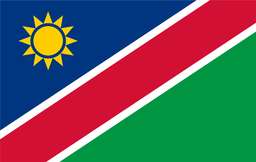
- Namibia
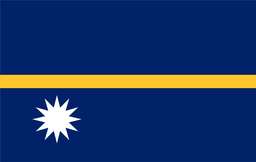
- Nauru
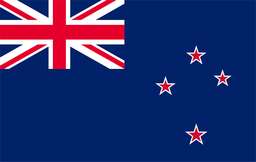
- New Zealand
- Nigeria
- Pakistan
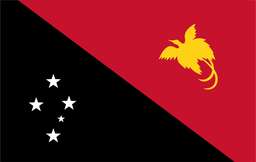
- Papua New Guinea
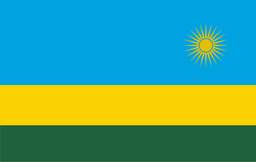
- Rwanda
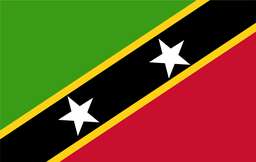
- Saint Kitts and Nevis
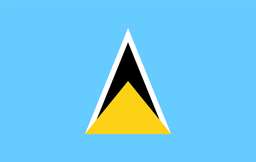
- Saint Lucia
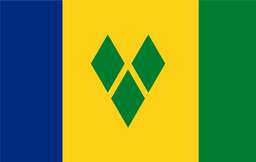
- Saint Vincent and the Grenadines
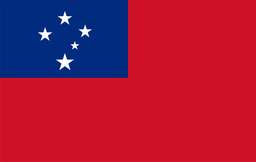
- Samoa
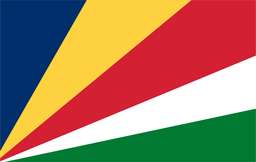
- Seychelles
- Sierra Leone
- Singapore
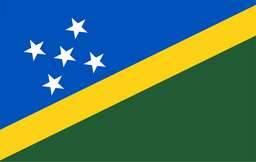
- Solomon Islands
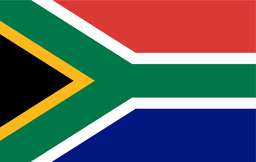
- South Africa
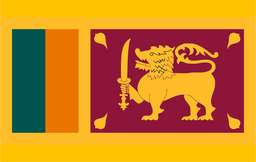
- Sri Lanka
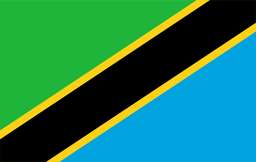
- Tanzania
- Togo
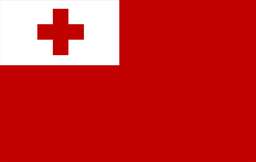
- Tonga
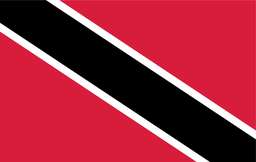
- Trinidad and Tobago
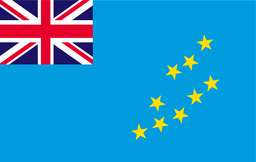
- Tuvalu
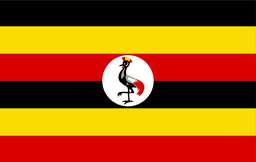
- Uganda
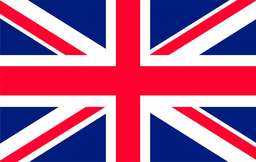
- United Kingdom
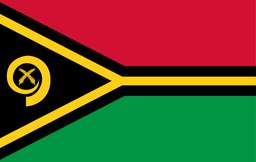
- Vanuatu
- Zambia
Each of these countries maintains full sovereignty while participating in Commonwealth programs and initiatives.
You can explore each country’s national flag in our Commonwealth Countries Flags section.
Historical Background of Membership
The Commonwealth evolved formally in 1949 with the London Declaration, which allowed republics to remain members.
Over time, membership expanded beyond former British colonies, reflecting the organization’s modern and inclusive character.
Recent additions such as Rwanda and Gabon show that membership is based on shared values rather than colonial history alone.
Why Commonwealth Membership Matters
Membership provides several advantages:
Democratic Support
The Commonwealth promotes fair elections and governance standards.
Economic Collaboration
Members benefit from trade connections and development initiatives.
Youth and Education Programs
Scholarships and exchange programs strengthen global partnerships.
Cultural Cooperation
Shared language and traditions foster collaboration.
Global Representation
Members engage collectively in international forums.
Governance Structure
The Commonwealth operates through:
- Commonwealth Heads of Government Meeting (CHOGM)
- Commonwealth Secretariat
- Commonwealth Ministerial Action Group
- Various development agencies
Decisions are based on consultation and voluntary agreement.
Role of the Commonwealth Flag
The Flag of Commonwealth of Nations represents unity and partnership among its member countries.
It is displayed at:
- Commonwealth summits
- Official headquarters
- International conferences
- Diplomatic gatherings
The flag symbolizes shared values rather than political integration.
Relationship with Sovereignty
Membership does not affect national independence.
Each country:
- Maintains its own constitution
- Controls domestic and foreign policy
- Keeps its national flag and identity
The organization functions as a voluntary association.
Interesting Facts About Commonwealth Members
- The modern Commonwealth was formalized in 1949
- It includes 56 countries
- London hosts the Secretariat
- Members span Africa, Asia, Europe, the Americas, and the Pacific
- Participation is voluntary
Questions About Commonwealth of Nations Member Countries
How many countries are members of the Commonwealth?
There are 56 member states.
When was the modern Commonwealth formed?
It was formalized in 1949.
Is membership limited to former British colonies?
No, some members joined without colonial ties.
Does Commonwealth membership replace national governments?
No, all members remain fully sovereign.
Where is the Commonwealth headquarters located?
It is located in London, United Kingdom.




















All Rights Reserved © 2025