


African Union Member Countries – Full List & Details
The African Union (AU) is a continental organization that brings together countries across Africa to promote unity, peace, economic development, and political cooperation. Founded in 2002 as the successor to the Organization of African Unity (OAU), the African Union works to strengthen integration and stability among African nations. Today, it includes almost all internationally recognized African states. This page provides a complete list of African Union member countries along with essential details and their connection to the organization.
What is the African Union?
The African Union is an intergovernmental organization designed to promote cooperation among African countries. It focuses on:
- Peace and security
- Economic development
- Infrastructure projects
- Human rights
- Political stability
- Continental integration
The AU headquarters is located in Addis Ababa, Ethiopia.
How Many Members Are in the African Union?
The African Union currently has 55 member states, representing nearly every country on the African continent.
Membership is open to recognized African states that agree to follow the principles and objectives of the organization.
Complete List of African Union Member Countries
Below is the updated list of African Union member countries:
- Algeria
- Angola
- Benin
- Botswana
- Burkina Faso
- Burundi
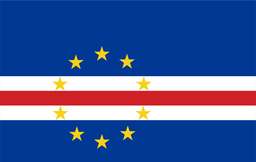
- Cabo Verde
- Cameroon
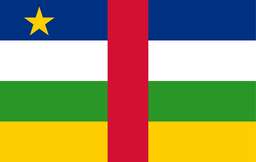
- Central African Republic
- Chad
- Comoros
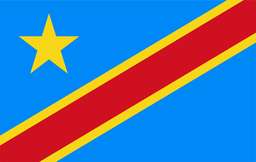
- Democratic Republic of the Congo
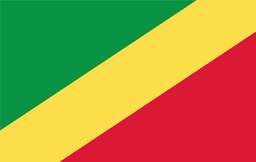
- Republic of the Congo
- Côte d’Ivoire
- Djibouti
- Egypt
- Equatorial Guinea
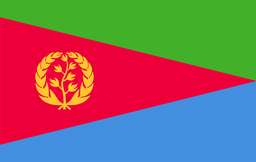
- Eritrea
- Eswatini
- Ethiopia
- Gabon
- Gambia
- Ghana
- Guinea
- Guinea-Bissau
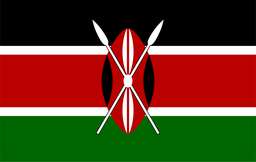
- Kenya
- Lesotho
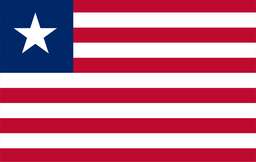
- Liberia
- Libya
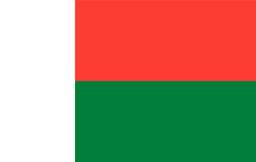
- Madagascar
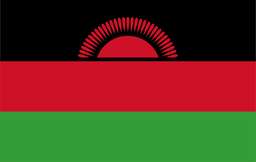
- Malawi
- Mali
- Mauritania
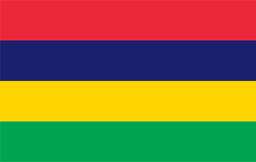
- Mauritius
- Morocco
- Mozambique
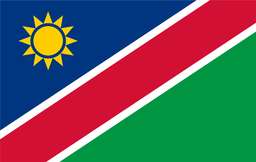
- Namibia
- Niger
- Nigeria
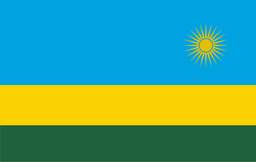
- Rwanda
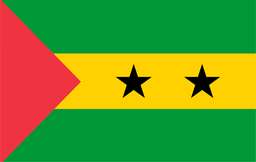
- São Tomé and Príncipe
- Senegal
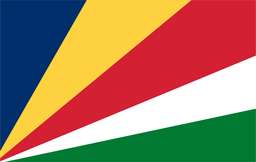
- Seychelles
- Sierra Leone
- Somalia
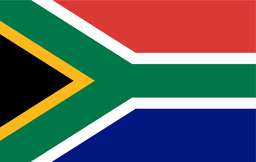
- South Africa
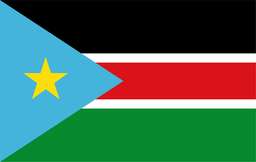
- South Sudan
- Sudan
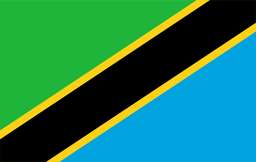
- Tanzania
- Togo
- Tunisia
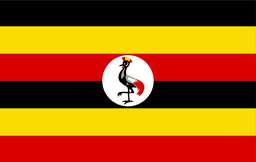
- Uganda
- Zambia
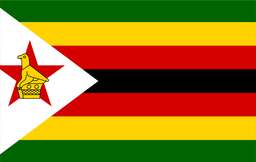
- Zimbabwe
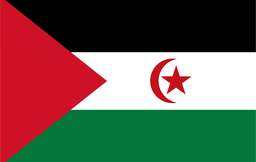
- Sahrawi Arab Democratic Republic
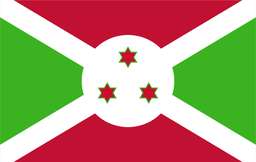
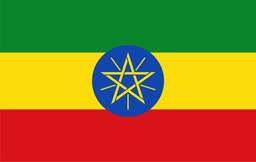
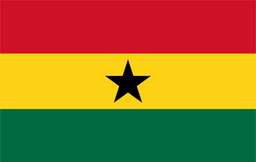
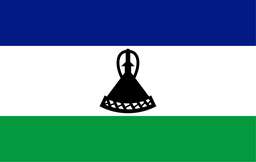
Each of these countries maintains its own national flag while also participating under the continental identity of the African Union.
You can explore individual national flags in our Flags of African Countries section for detailed information.
Why African Union Membership Matters
Membership in the African Union provides several benefits:
Political Cooperation
Member states coordinate policies and support peaceful conflict resolution.
Economic Integration
The AU promotes initiatives such as the African Continental Free Trade Area (AfCFTA).
Infrastructure Development
Continental projects aim to improve transportation, energy, and communication networks.
Peacekeeping Missions
The AU deploys peacekeeping forces in conflict-affected regions.
Human Rights & Governance
The African Union promotes democratic principles and good governance.
Role of the African Union Flag
While each country maintains its own national flag, the Flag of African Union symbolizes collective unity and cooperation.
It is displayed during:
- AU summits
- Peacekeeping missions
- Continental conferences
- Diplomatic meetings
The flag represents Africa as a whole rather than a single country.
Headquarters and Leadership
The African Union Commission operates from Addis Ababa, Ethiopia. The Chairperson of the AU Assembly rotates among member states.
The organization works closely with regional economic communities across Africa.
Interesting Facts About African Union Membership
- The AU replaced the Organization of African Unity in 2002
- It is one of the largest regional organizations in the world
- Almost every African country is a member
- It promotes Agenda 2063 for long-term continental development
- It supports cross-border trade agreements
Questions About African Union Member Countries
How many countries are members of the African Union?
There are 55 member states.
Is every African country a member?
Nearly all internationally recognized African countries are members.
When was the African Union founded?
It was officially launched in 2002.
What is the main goal of the African Union?
To promote unity, peace, economic growth, and integration across Africa.
Where is the AU headquarters located?
The headquarters is in Addis Ababa, Ethiopia.



























All Rights Reserved © 2025