


United Nations Member Countries – Full List & Details
The United Nations Member Countries page provides a complete overview of the sovereign states that belong to the UN. Founded in 1945 after World War II, the United Nations (UN) was created to promote international peace, security, cooperation, and development. Today, it is the largest and most influential global intergovernmental organization. This guide explains which countries are members, how UN membership works, and why the organization plays a central role in global diplomacy.
What is the United Nations?
The United Nations, commonly known as the UN, is a global organization that promotes cooperation among countries.
The UN focuses on:
- International peace and security
- Human rights
- Sustainable development
- Humanitarian assistance
- International law
- Climate action
The United Nations Headquarters is located in New York City, United States.
How Many Members Are in the United Nations?
The United Nations currently has 193 member states.
Membership is open to sovereign states that accept the obligations outlined in the UN Charter.
Complete List of United Nations Member Countries
The UN includes 193 internationally recognized sovereign countries from all continents. These countries represent nearly every independent state in the world.
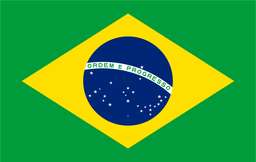
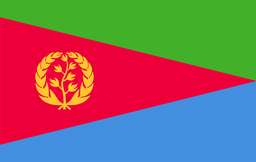
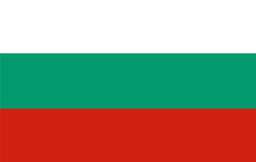
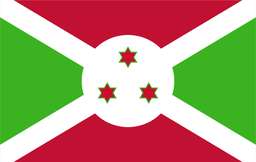
For detailed information about each member country and its national flag, visit our Flags of the World section, where you can explore every UN member state individually.
In addition to member states, the UN also has 2 observer entities:
- Holy See (Vatican City)
- State of Palestine
Observer entities can participate in discussions but do not have voting rights.
Founding of the United Nations
The United Nations was officially established on 24 October 1945.
The original founding members included 51 countries that signed the UN Charter.
The organization was created to prevent future global conflicts and promote international cooperation.
Why UN Membership Matters
Membership in the United Nations provides several key benefits:
International Recognition
Membership affirms a country’s sovereignty and global standing.
Global Diplomacy
Member states participate in international negotiations and policymaking.
Peacekeeping Operations
The UN coordinates peacekeeping missions worldwide.
Humanitarian Support
Countries receive assistance during crises and disasters.
Sustainable Development Goals (SDGs)
Members work toward shared development targets.
Governance Structure of the UN
The United Nations operates through six main organs:
- General Assembly
- Security Council
- Economic and Social Council
- International Court of Justice
- Secretariat
- Trusteeship Council (inactive)
Each organ plays a specific role in maintaining global cooperation.
Role of the UN Flag
The Flag of United Nations symbolizes peace and global unity.
It features:
- A world map projection
- Olive branches representing peace
- A blue background symbolizing neutrality
The flag is displayed at UN headquarters, peacekeeping missions, and diplomatic events.
Relationship with National Sovereignty
UN membership does not replace national authority.
Each member country:
- Maintains its own government
- Controls domestic and foreign policy
- Preserves its national identity and flag
The UN operates through collective agreement and international law.
Global Influence of UN Members
Together, UN member countries represent:
- The majority of the global population
- Almost all recognized sovereign states
- Diverse political systems
- Wide economic diversity
The UN remains central to international dialogue and cooperation.
Interesting Facts About UN Members
- Founded in 1945
- 193 member states
- Headquarters in New York
- 2 observer entities
- Operates worldwide peacekeeping missions
Questions About United Nations Member Countries
How many countries are members of the United Nations?
There are 193 member states.
When was the United Nations founded?
It was established in 1945.
Can countries leave the United Nations?
Membership is voluntary, though withdrawal is rare.
Does UN membership replace national governments?
No, countries remain fully sovereign.
Where is the UN headquarters located?
It is located in New York City, United States.






























































All Rights Reserved © 2025